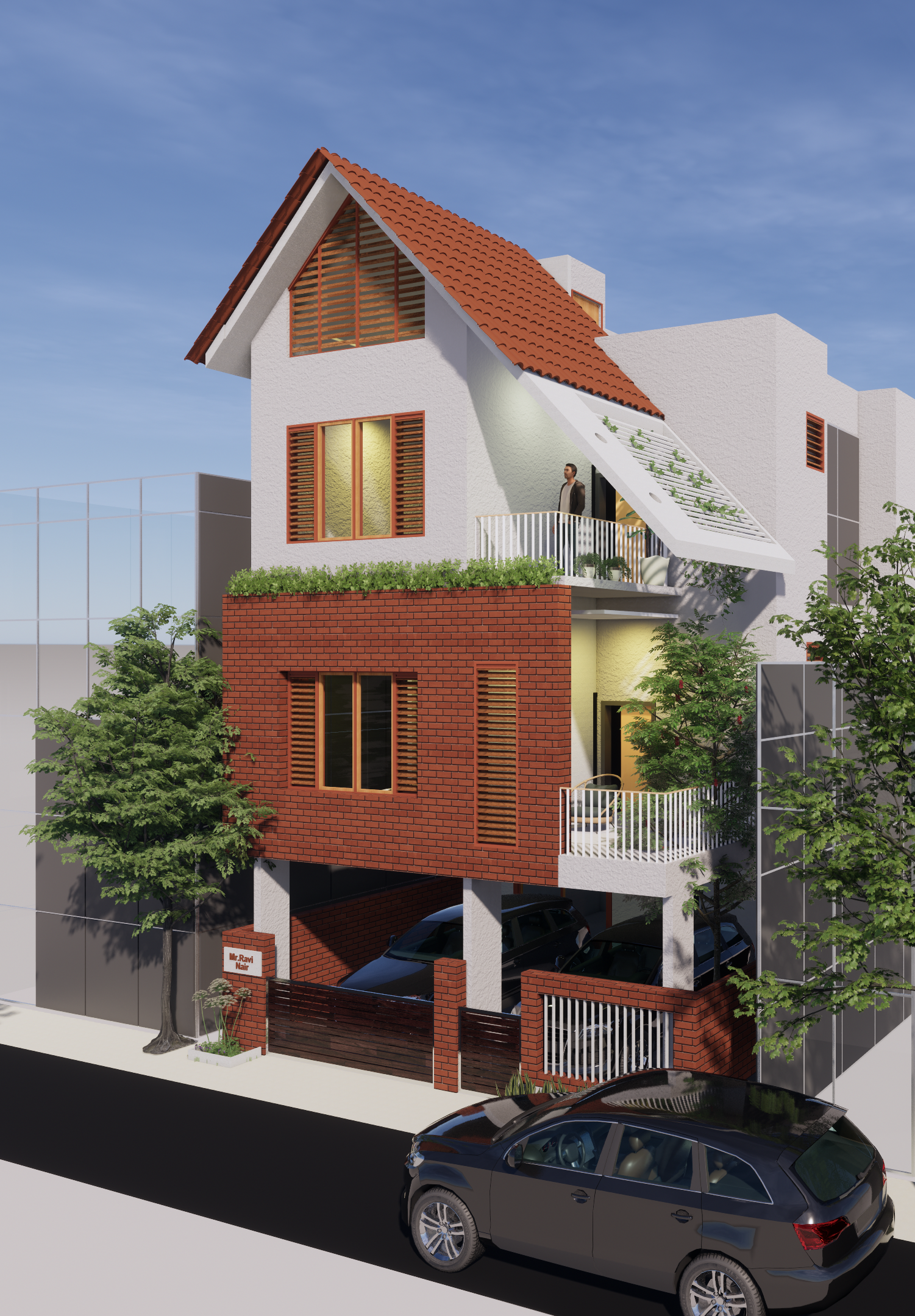
The Essential Role of an Architect in Every Property Development
When embarking on a property development project—be it residential, commercial, or mixed-use—the presence of an architect is not just beneficial, it’s essential. Far beyond creating visually appealing buildings, architects are the strategic thinkers and technical experts who turn ideas into tangible, successful outcomes.
From concept to completion, their contributions ensure that developments are functional, sustainable, and aligned with both regulatory standards and client visions. Here’s why every property development project needs an architect at its core.
1. Vision and Conceptualization
Every great building starts with a clear vision. Architects work closely with clients in the earliest stages to understand their goals, site conditions, budget, and desired outcomes. They take abstract ideas and transform them into initial sketches, models, and proposals that form the foundation of the development.
This phase is where creativity meets practicality, and a good architect helps balance ambition with feasibility from the very beginning.
2. Design Development
Once the vision is in place, architects bring it to life through detailed designs. These aren’t just drawings—they’re thoughtful solutions to spatial challenges, site limitations, and lifestyle needs.
Architects consider everything from building orientation to interior flow, ensuring the final structure is both beautiful and functional. Their design work directly influences user experience, operational efficiency, and even resale value.
3. Regulatory Knowledge and Approvals
Navigating planning permissions, building codes, and local regulations can be one of the most complex parts of property development. Architects are deeply familiar with these legal frameworks and serve as guides through the approval process.
They prepare and submit planning applications, respond to feedback from councils and authorities, and make sure the design adheres to all applicable laws—preventing costly redesigns and delays.
4. Technical Expertise and Coordination
Architects don’t work in isolation. They coordinate with engineers, contractors, interior designers, and other consultants to make sure every part of the project is integrated and efficient.
Their construction drawings and specifications provide the blueprint for the entire build, ensuring accuracy and reducing errors. This technical precision is key to staying on budget and schedule.
5. Construction Oversight and Project Management
An architect’s role doesn’t end when construction begins. They often act as project managers or contract administrators, overseeing site work, checking progress, and ensuring the build stays true to the original design intent.
They manage changes, troubleshoot issues, and keep communication flowing between all parties—helping avoid costly mistakes and ensuring quality control.
6. Sustainability and Future-Proofing
Today’s property developers face increasing pressure to build sustainably. Architects lead the charge here, incorporating green design principles, energy efficiency, and environmentally friendly materials.
Whether it’s passive solar design, water-saving technologies, or low-carbon construction methods, architects create buildings that meet modern environmental standards and reduce long-term costs.
Final Thoughts
In every successful property development, there’s an architect shaping not just the building—but the entire process. Their unique blend of creativity, technical knowledge, and project leadership makes them indispensable partners from day one.
If you’re planning a development project, involving an architect early isn’t just a smart move—it’s a critical investment in the success and longevity of your property.