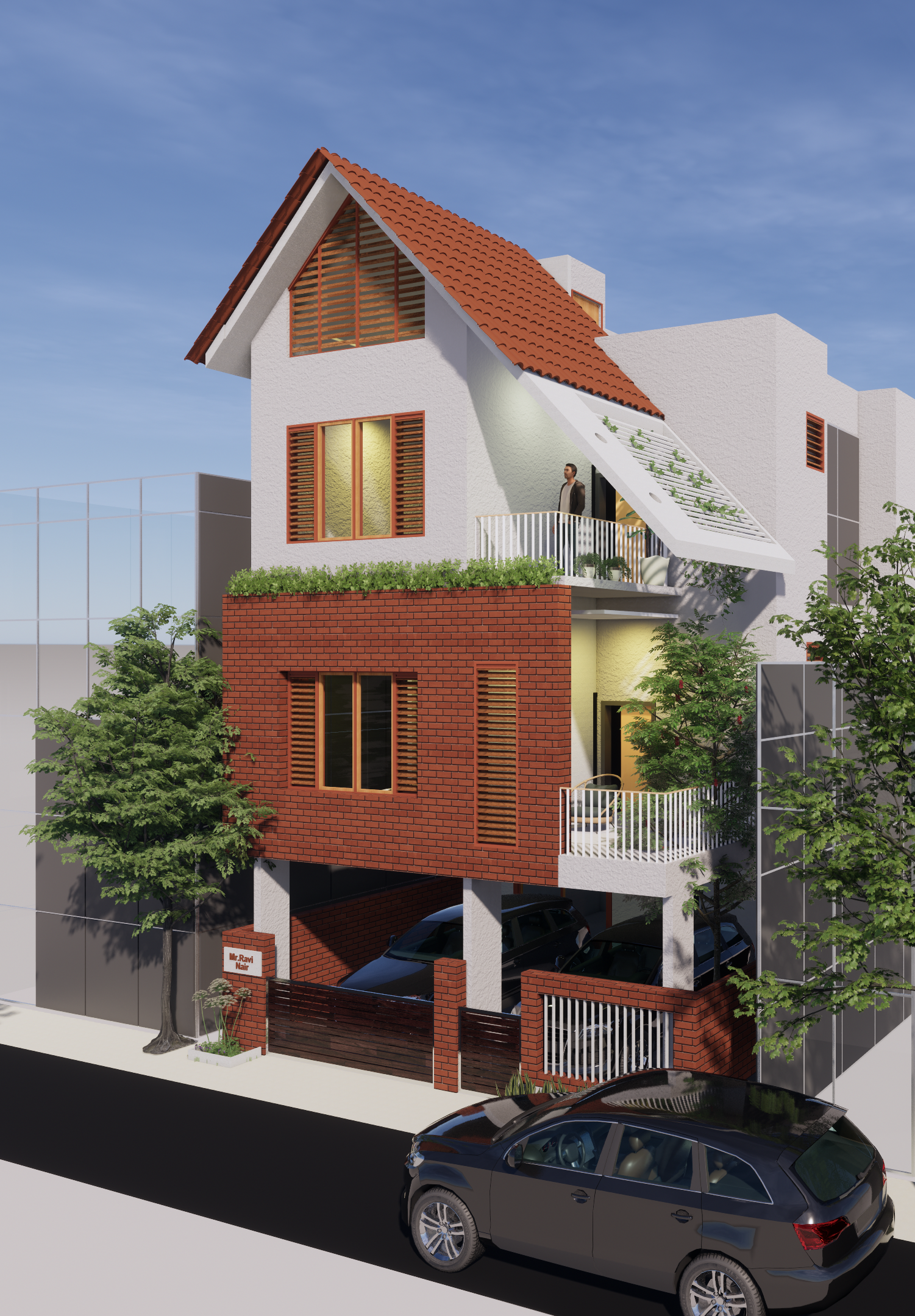
Design & Recognition
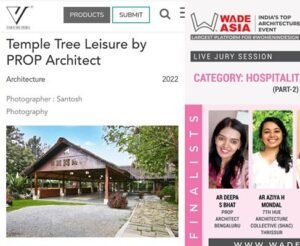
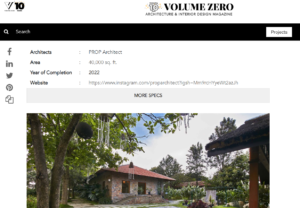
Our project Temple Tree Leisure has received recognition and selection by respected architecture and design platforms, including WADE Asia and Volume Zero. This recognition reflects our commitment to thoughtful planning, nature-connected architecture, sustainable design thinking and experience-driven spaces.
Our Design Process
A structured architect-driven process that takes your project from initial consultation, concept planning and design development to construction drawings, site execution, quality monitoring and final completion review.
1. Concept Design
3–4 Weeks1. Initial Consultation & Requirement Gathering
| First discussion with the client to understand project expectations. |
| Understand family requirements, lifestyle, budget and future needs. |
| Basic site information, plot size, road access and surroundings are reviewed. |
| Present relevant completed works and explain our design approach. |
2. Design Proposal, Quotation & Contract Onboarding
| Prepare scope of services as per project requirement. |
| Define number of drawings, design stages and site visits involved. |
| Fee proposal and quotation will be shared by email. |
| Client to confirm scope and share signed copy for onboarding. |
| Initial design fee payment to start the project. |
3. Conceptual Space Planning & Layout Variations
| Evolution of the design story based on site, client needs and lifestyle. |
| Prepare conceptual space planning and layout options. |
| Create free-flowing and visually interactive spaces. |
| Functionally solve room sizes, circulation, access and service areas. |
| Vaastu-compliant design approach wherever required. |
| Consider climatic conditions, light, ventilation and privacy. |
| Explore courtyards, skylights, open courts and balcony connections where suitable. |
| Cost-effective space management without compromising design quality. |
4. Preliminary 3D Design Begins
| Exterior material mood board and design direction. |
| Form follows function approach. |
| Modern contemporary design using solids, voids and proportions. |
| Explore vernacular, rustic, local or sustainable material language where suitable. |
| Green balconies, terrace gardens and façade lighting concepts. |
| SketchUp and V-Ray preliminary renders. |
| Basic structural feasibility understanding during design development. |
5. Iterative Feedback, Refinement & Changes
| Discussion with client for layout and 3D feedback. |
| Refinement of design as per practical and functional requirements. |
| Changes are handled while keeping the overall design theme intact. |
| Improve relationship between indoor and outdoor spaces. |
6. Freeze Concept Layout
| Freeze architectural design theme and design language. |
| Finalize layout direction before design development phase. |
| Review column positions, canopies, projections, slabs, window positions and chajjas. |
| Basic costing direction based on design theme and material palette. |
2. Design Dev
4–5 Weeks1. Detailed 3D Design Finalization & Refinement
| Refine and finalize 3D design theme options. |
| Detailed discussion with client on façade, form, materials and elevation language. |
| Finalize material mood board. |
| Finalize columns, canopies, projections, slabs, balconies, window positions and chajjas. |
| Freeze 3D design direction before coordinated drawings. |
2. Appointment & Coordination of Project Consultants
| Coordination with structural consultants. |
| Coordination with electrical consultants. |
| Coordination with plumbing consultants. |
| Coordination with HVAC consultants, if required. |
| Coordination with landscape and other specialized consultants, if required. |
3. Coordinated Design Development Drawings
| Prepare design development drawing sheet list. |
| Prepare plans, sections and elevation drawings. |
| Update drawings as per final layout and 3D design. |
| Share architectural drawings with appointed consultants. |
| Coordinate columns, beams, slabs and service requirements with design intent. |
4. Interdisciplinary Service Coordination & Technical Integration
| Structural coordination with columns, beams and slabs. |
| Plumbing coordination for toilets, kitchen, sump, tank and service lines. |
| Electrical coordination for wiring, lighting points and power planning. |
| Landscape coordination for courts, balconies, gardens and outdoor spaces. |
| HVAC coordination wherever required. |
| Resolve conflicts between architecture, structure and services. |
5. Preliminary Material Selection & Specification Discussions
| Visit showrooms and vendors for material selection where required. |
| Discuss façade materials, flooring, cladding, fixtures and finishes. |
| Review material options based on budget, durability and design theme. |
| Prepare preliminary specification direction for BOQ and execution costing. |
6. Final Design Development Check with Client
| Review all coordinated design development drawings with client. |
| Freeze design development drawings before construction drawing stage. |
7. BOQ Preparation Starts
| Start BOQ preparation based on drawings and selected materials. |
| Talk to vendors and contractors for preliminary pricing. |
| Negotiate with vendors where required. |
| Quotation and costing work in progress. |
3. Good for Construction Drawings
4–5 Weeks1. Detailed Construction Drawings – Set 1
| Prepare detailed construction drawings as per approved design. |
| Site marking and building layout drawings. |
| Column marking details. |
| Door and window positioning. |
| Staircase details. |
| Wall marking drawings. |
| Multiple level markings and section drawings. |
| Architectural details required for site execution. |
2. BOQ & Execution Cost Estimation
| Prepare BOQ based on design, drawings and selected specifications. |
| Meet consultants and understand technical requirements or challenges. |
| Finalize material selection with client. |
| Coordinate with contractors and vendors for pricing. |
| Finalize negotiation with vendors wherever required. |
| Calculate project execution budget. |
3. Technical Drawing Review with Contractors / Vendors
| Review construction drawings with contractors and vendors. |
| Explain drawings to single point of contact at site. |
| Clarify architectural intent, execution details and material application. |
| One set of drawings must be available on site with seal and signature. |
| Before any site change, architect must be informed for review. |
| If any change impacts structure or services, revision is required before execution. |
4. Revised / Detailed Construction Drawings – Set 2
| Prepare revised or detailed construction drawings based on final coordination. |
| Door, window and grill details. |
| Balcony, staircase and terrace railing designs. |
| Toilet fixture and tiling design details. |
| Flooring design and layout details. |
| Compound wall and gate design details. |
| Any additional architectural details required for better execution. |
5. Final Coordination Drawings for Site Readiness
| Receive and review final construction drawings from all consultants. |
| Check architectural, structural and service coordination. |
| Review final drawings before issuing for site execution. |
| Ensure drawings are ready for construction commencement. |
4. Site Execution
Up to 15 Months1. Construction Commencement
| Commencement of construction as per approved drawings and specifications. |
| Contractor to follow issued drawings and approved design documentation. |
| Any deviation from drawings must be brought to the architect’s notice before execution. |
2. Periodic Site Inspections Based on Progress
| Site marking verification. |
| Foundation stage inspection. |
| Slab level verification. |
| Terrace slab review. |
| Wall marking review. |
| Window and door marking review. |
| Sunk and void coordination. |
| Structural and architectural alignment checks. |
| Review important features in elevation design. |
| Review material cladding design during execution. |
3. Design Compliance Monitoring & Execution Guidance
| Continuous design compliance monitoring during execution. |
| Quality checks during site visits. |
| Execution guidance as per design intent. |
| Restriction on unauthorized design or drawing changes. |
| Minutes of meeting to be shared after important site reviews. |
4. Material Approvals & On-Site Selection Coordination
| Material approvals as per design theme and specifications. |
| On-site selection coordination for finishes, cladding, flooring and fixtures. |
| Review material samples where required. |
| Ensure selected materials support design intent, durability and maintenance requirements. |
5. Site Review Meetings with Contractors and Consultants
| Meeting with contractors, consultants and client at site where required. |
| Review execution challenges and resolve design coordination issues. |
| Coordinate between architecture, structure, services and site execution teams. |
6. Final Project Review & Completion Certification
| Final project review as per approved design documentation. |
| Note pending items, corrections and final observations. |
| Completion certificate to be issued when consultancy work is completed satisfactorily. |
| Certificate will be issued only when the architect is satisfied with design compliance and documentation requirements. |
7. Photos & Videos
| Capture all important corners and completed spaces. |
| Capture special features of the project. |
| Shoot full project without furniture where required. |
| Shoot full project with furniture where required. |
8. Reviews and Feedback
| Note all reviews and client feedback. |
| Note mistakes and learning points for future improvement. |
| Note good work and successful execution details. |
| Document feedback for internal quality improvement. |
Architecture Design + Site Monitoring
An architect-driven process for clients choosing architecture design consultancy, covering enquiry, site understanding, requirements, design discussions, layout finalization, design development drawings, GFC drawings and site monitoring support.
WhatsApp / Call / Mail Us
Share your basic requirement, plot details, location, project type and design expectations with our team.
Meet Architect
Discuss your lifestyle, budget, design taste, room needs, timeline and overall architecture design goals.
Let’s Visit Site
Understand the plot, access, road, surroundings, sunlight, ventilation, orientation and existing site conditions.
Requirements
Freeze the room requirements, family priorities, Vaastu preferences, functional planning brief and design expectations.
Book With Us
Confirm the architecture design scope, design fee, deliverables, timelines, payment stages and onboarding process.
Design & Discussions
Develop layouts, elevations, 3D views and design options through structured discussions and client feedback.
Freeze Layout & Design
Finalize the planning, elevation language, 3D direction, design intent and coordinated drawing requirements.
Design Development / GFC Drawings
Prepare coordinated design development drawings and Good for Construction drawings for site execution, consultant coordination and drawing clarity.
Site Monitoring
Provide periodic site monitoring support to check design compliance, drawing clarity, material coordination and execution alignment as per agreed scope.
| Design Approach | Details |
|---|---|
| 1. Customized Design Solutions | Delivering unique, luxury, and cost-effective architectural solutions tailored to your lifestyle. |
| 2. Spatial Planning | Designing free-flowing, open-plan layouts that enhance indoor movement and natural interaction. |
| 3. Natural Light & Ventilation | Maximizing natural light, cross-ventilation, and climatology principles for energy-efficient comfort. |
| 4. Climate Responsive Design | Integrating sustainable, locally sourced materials, rainwater harvesting, and solar power systems. |
| 5. Landscape Integration | Creating a seamless connection between indoor spaces, green landscapes, and central courtyards. |
| 6. Vaastu Compliance | Ensuring strict adherence to traditional Vaastu guidelines for balanced, positive energy. |
| 7. Local Regulation Compliance | Strict compliance with local regulations and guidelines. |
| 8. Smart Infrastructure | Implementing energy-efficient MEP engineering, high-quality wiring, and advanced lighting. |
| 9. Solar Power Integration | Incorporation of solar power systems for sustainable energy use. |
| 10. Rainwater Harvesting | Adoption of rainwater harvesting techniques to promote water conservation. |
| 11. Safety & Standards | Prioritization of safety and regulatory standards throughout the design and construction process. |